


Rožna Dolina
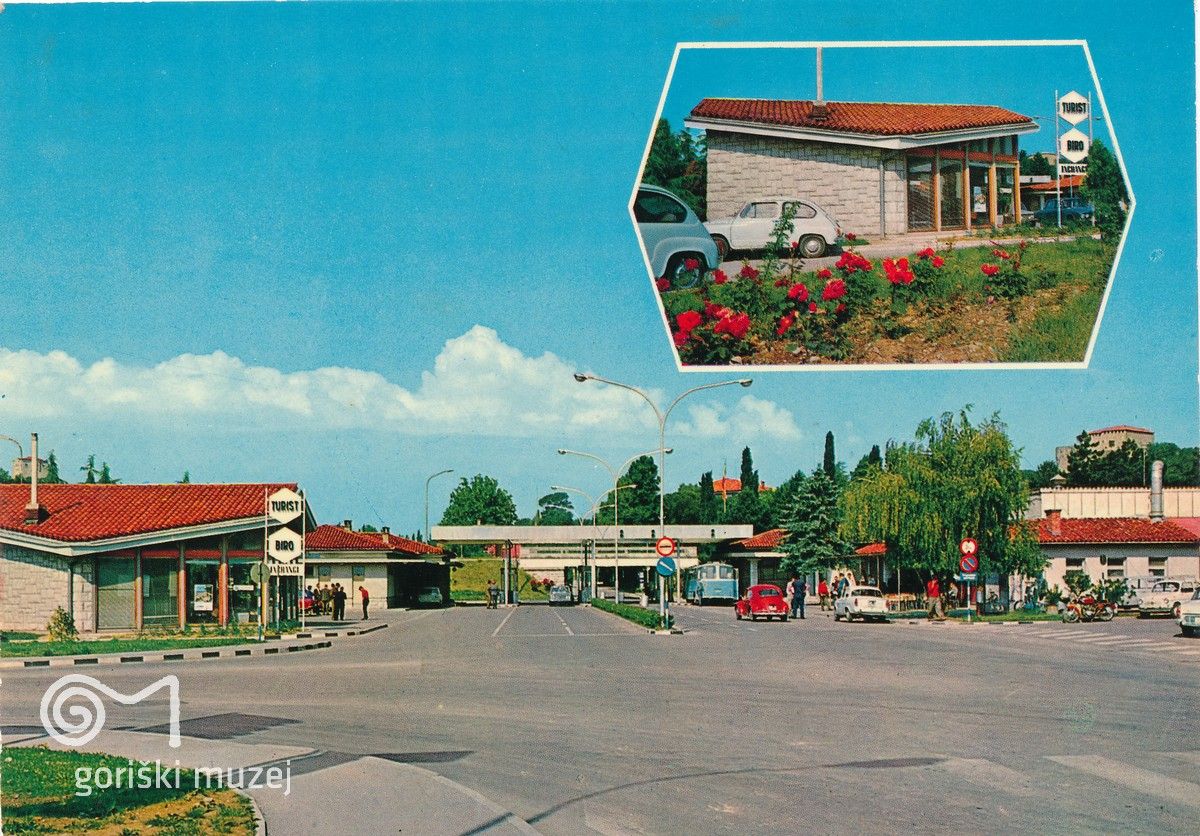
International border crossing Rožna Dolina ©Postcard from the collection of Goriški muzej Kromberk - Nova Gorica (Goriška museum)
1 / 8
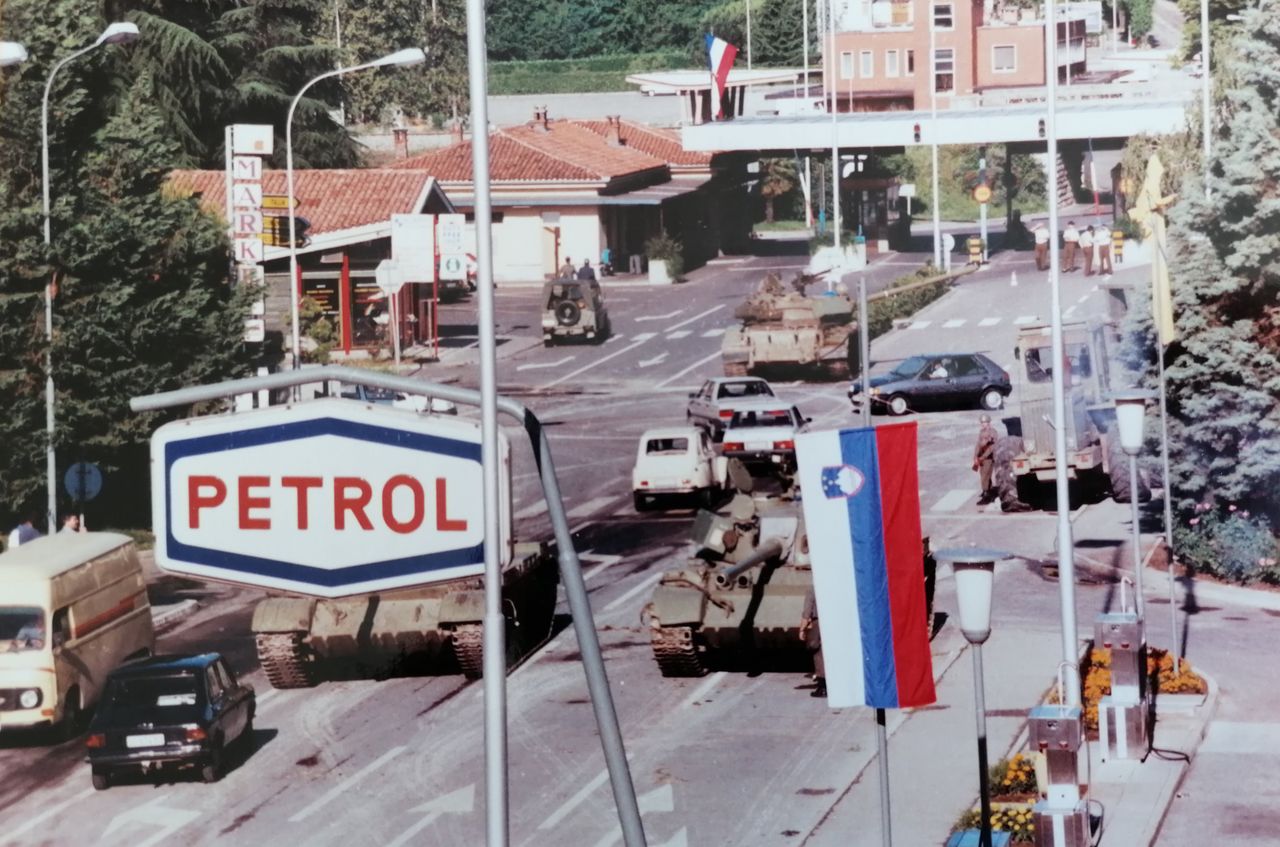
During Slovenia’s independence in June 1991, clashes took place here between the Yugoslav People’s Army, which brought tanks to the border, and the Slovenian Territorial Defence.
2 / 8
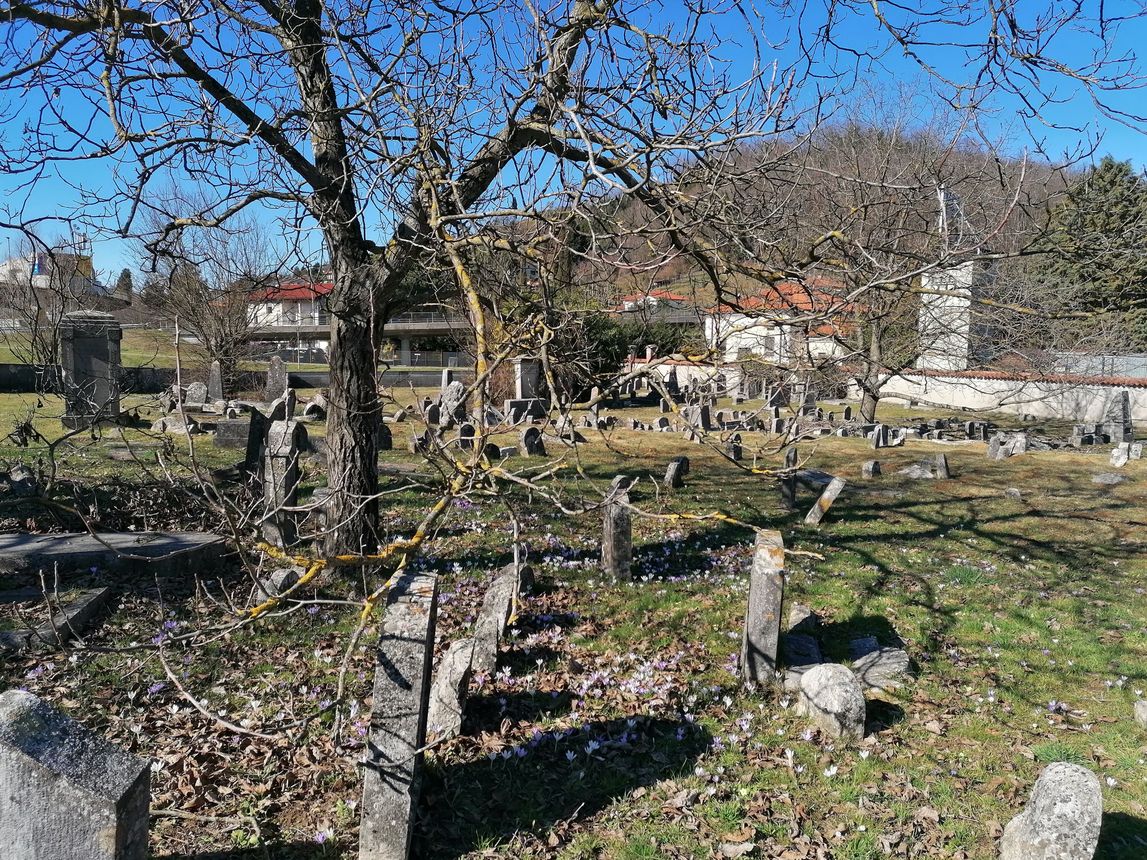
Rožna Dolina is home to the largest Jewish cemetery in Slovenia, bearing witness to the once significant Jewish community in Gorizia. ©Photo: Blaž Kosovel
3 / 8
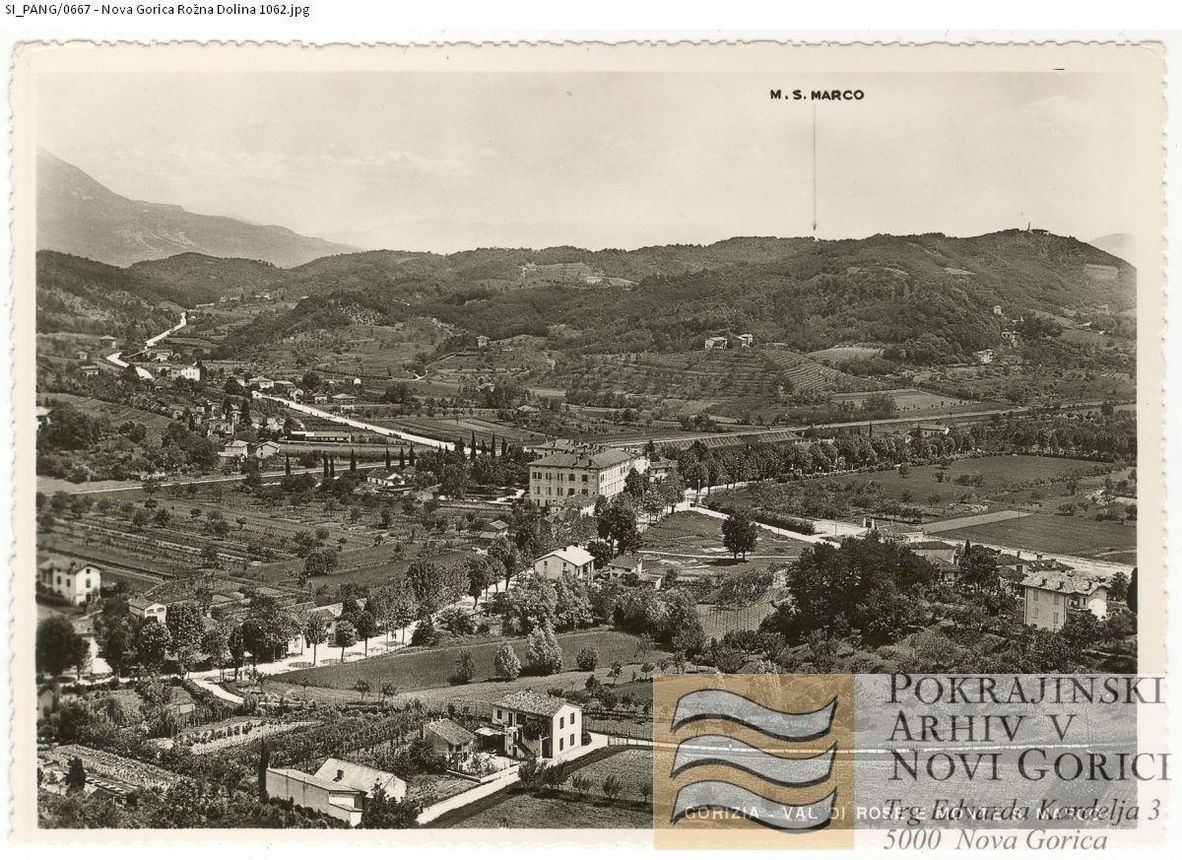
Rožna Dolina in the year 1941. ©From the collection of Regional Archive in Nova Gorica - PANG 667 Zbirke razglednic krajev Nova Gorica Rožna dolina št.1062
4 / 8
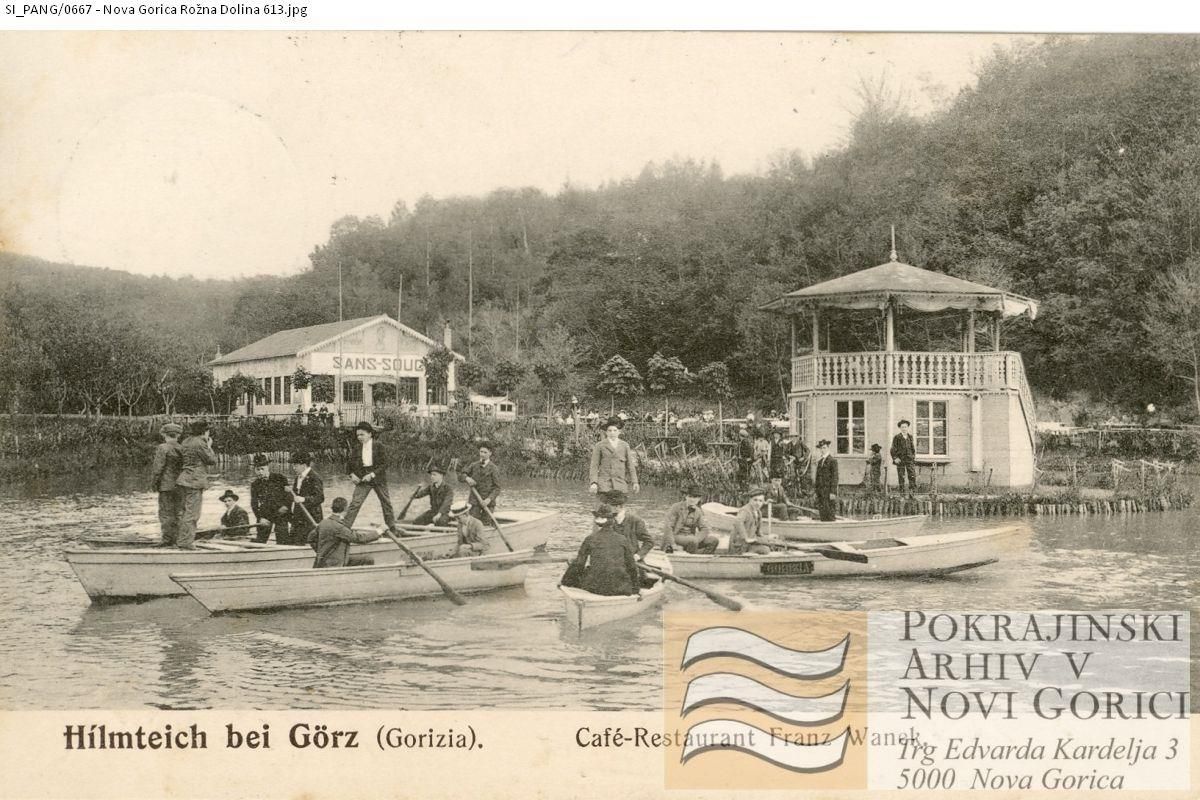
Postcard from 1909. ©From the collection of Regional Archive in Nova Gorica - PANG 667 Zbirke razglednic krajev Nova Gorica Rožna dolina št. 613
5 / 8
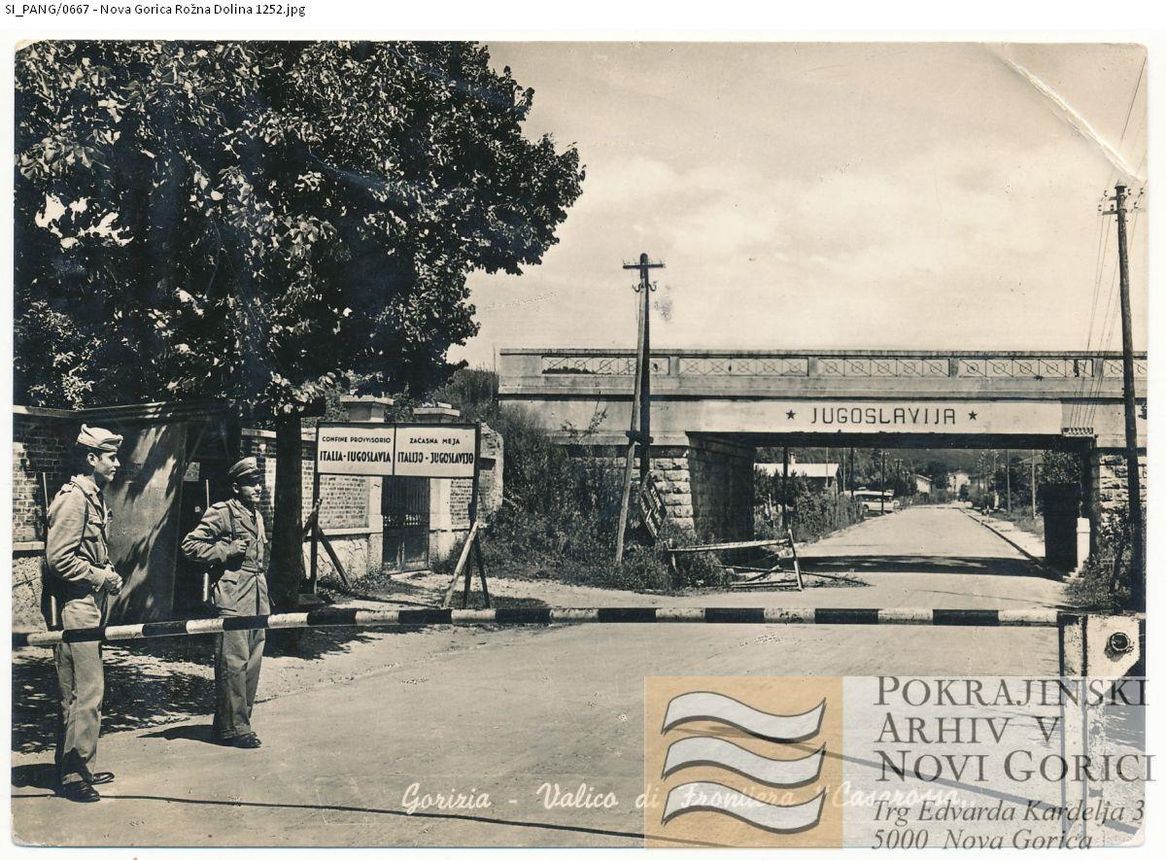
The state border between Italy and Yugoslavia in 1952. In this section, the course of the border was defined by the railway line crossing the road. ©From the collection of Regional Archive in Nova Gorica - PANG 667 Zbirke razglednic krajev Nova Gorica Rožna dolina št. 1252
6 / 8
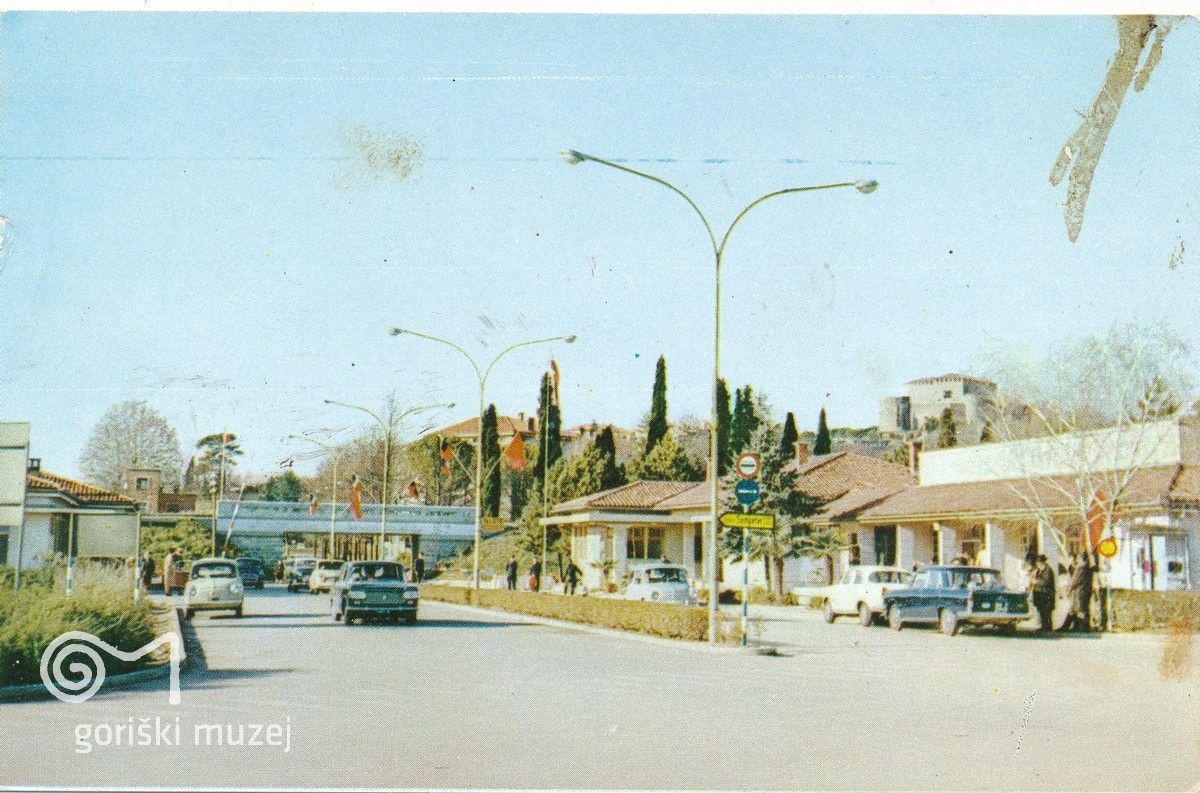
©Postcard from the collection of Goriški muzej Kromberk - Nova Gorica (Goriška museum)
7 / 8
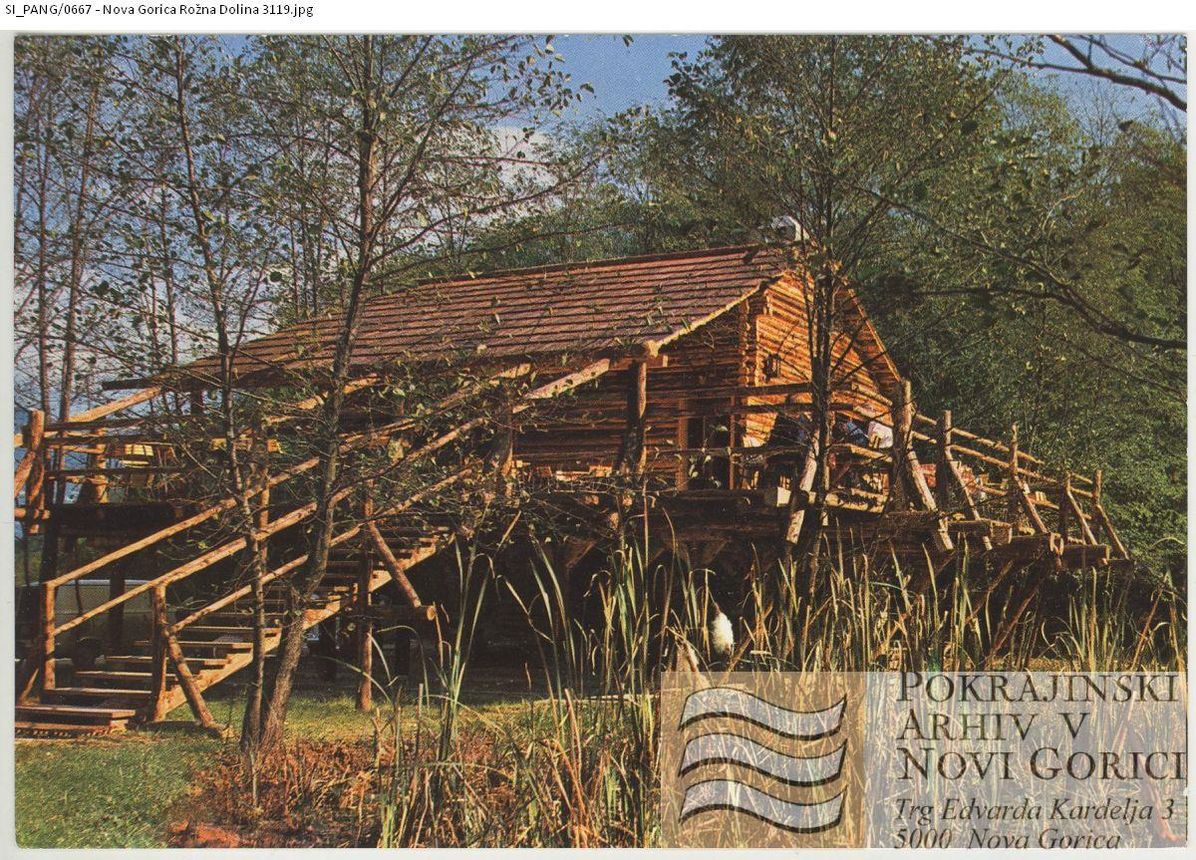
PIkol restaurant, 1980. ©From the collection of Regional Archive in Nova Gorica - PANG 667 Zbirke razglednic krajev Nova Gorica Rožna Dolina, No. 3119.
8 / 8
This small town takes its name from the Baronio family, who in 1740 were granted the noble title von Rosenthal — the German for Rožna Dolina — reportedly in recognition of their tradition of growing roses.
During the Yugoslav era, this was one of the busiest border crossings in the whole country.
In June 1991, during Slovenia's independence, clashes broke out here between the Yugoslav army, which had deployed tanks to the border, and the Slovenian Territorial Defence forces.
The town is also home to the headquarters and most of the facilities of the University of Nova Gorica.
Rožna Dolina contains the largest Jewish cemetery in Slovenia, a reminder of the once significant Jewish community in Gorica. Carlo Michelstaedter and Carolina Luzzato are among those buried here. After the Second World War, plans were made to demolish the cemetery to make way for a new road. Italian Jews intervened by appealing to Moša Pijade (1890–1957), a high-ranking Yugoslav party official of Jewish origin, who successfully had the road rerouted. Today, it runs right next to the cemetery.
In 1977, the Jewish community donated the nearby mortuary to the local Rožna Dolina community in exchange for its upkeep and maintenance. After years of controversial use — at one point it even housed a bar and a casino — the mortuary is now recognised as a cultural heritage site and serves as a small museum hosting cultural events.
Avtor: Blaž Kosovel
Kraj: Rožna Dolina

