


“Postajarci” – the “native” inhabitants of Nova Gorica
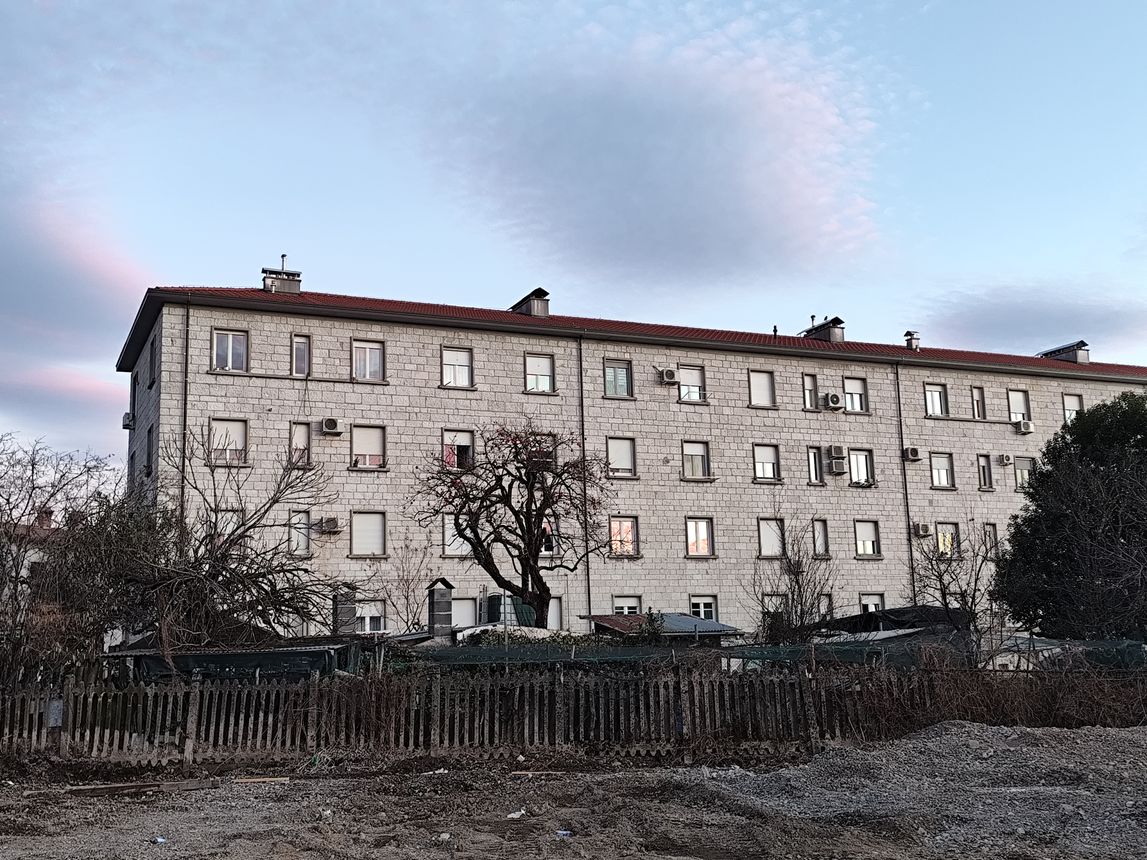
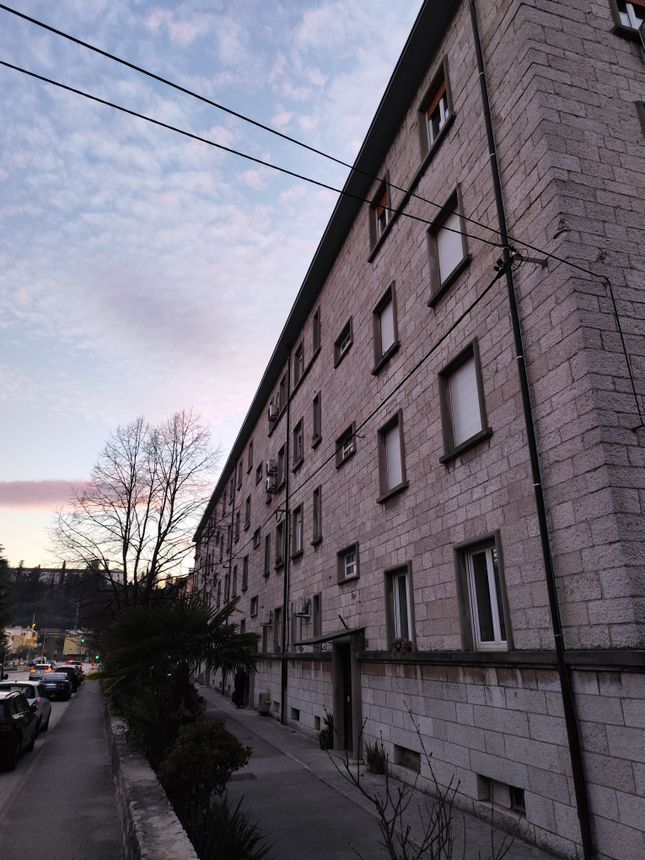
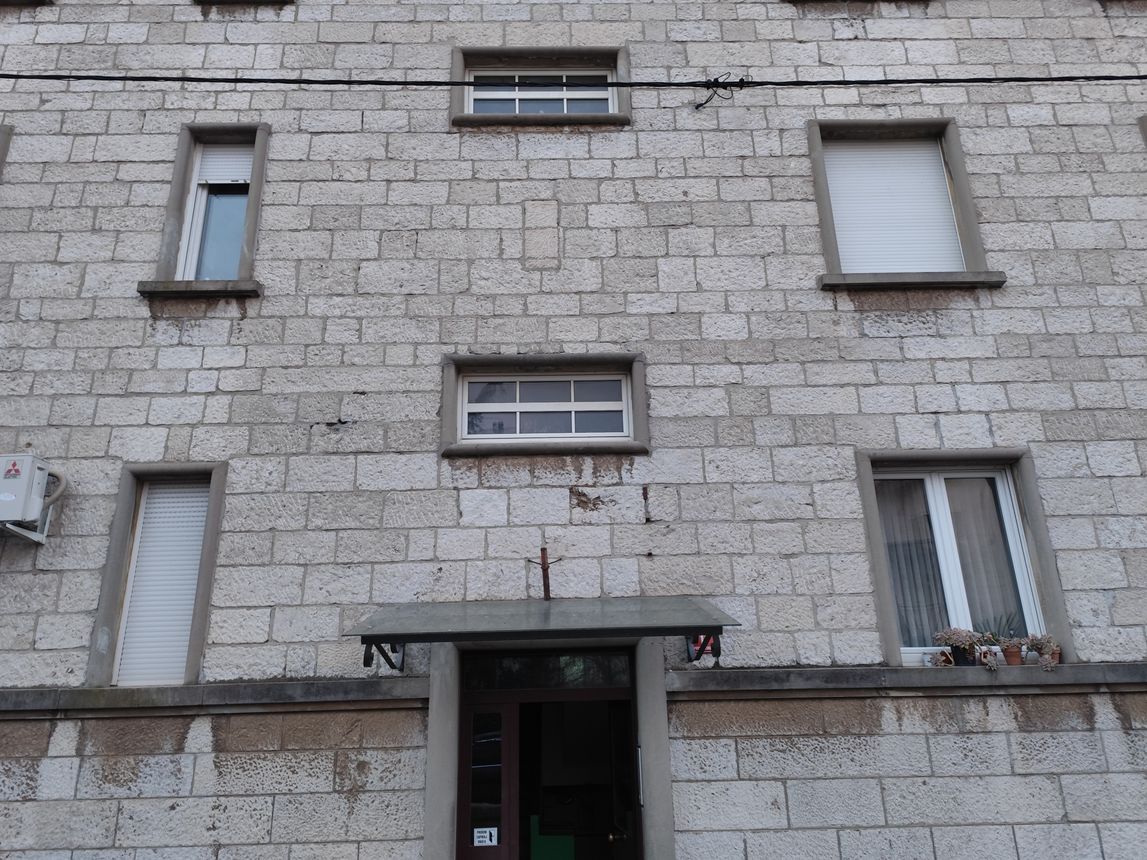
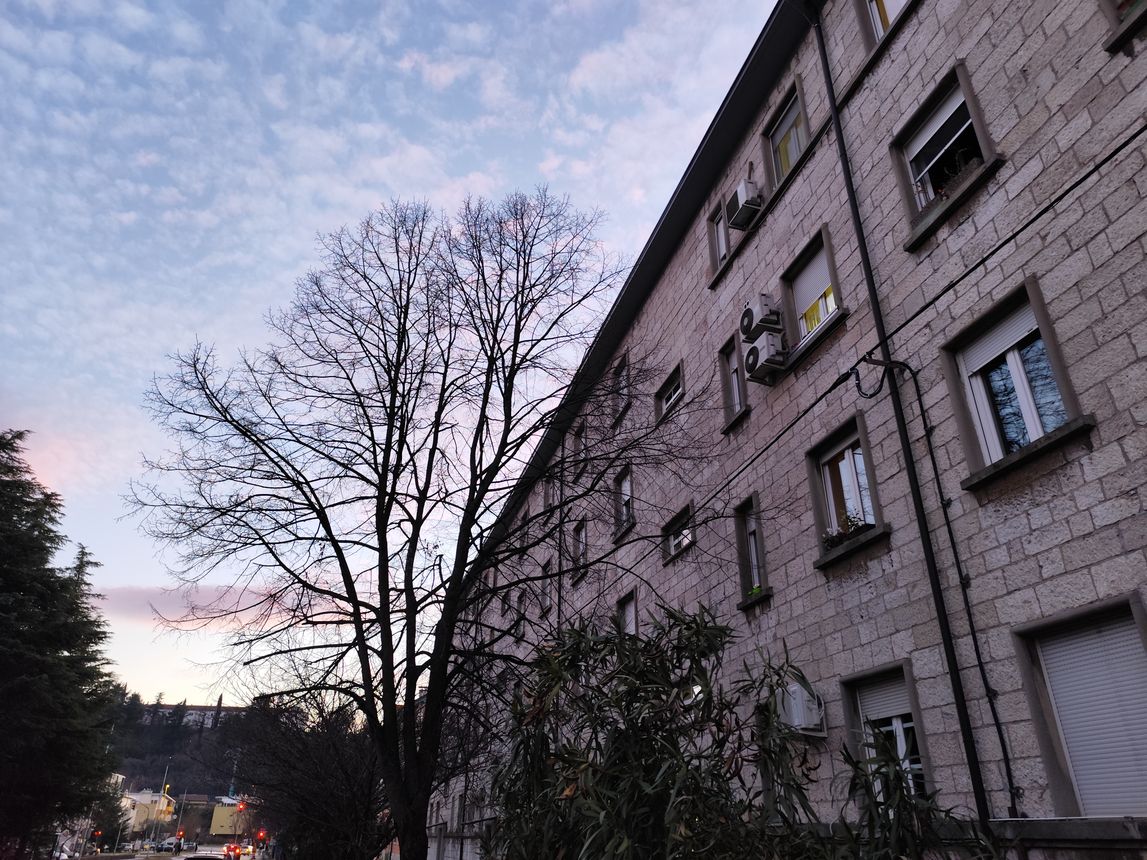
According to older residents, life in the area began at the railway station, in the railway workers’ housing blocks at the corner of Prvomajska and Erjavčeva streets. These were built in 1925 by the state railway administration for its employees.
“I was born in 1953. We spent our youth at the railway station—we were ‘postajarci’, children of railway workers. We lived here even before the construction of Nova Gorica began.”
“I moved to Nova Gorica in 1947. My parents were Slovenians, my father from Števerjan and my mother from Gorizia. /…/ We still live in the house my father bought. /…/ Mostly working-class families lived here, especially railway workers who remained in Yugoslavia after the border was established. There was no city—only the old buildings at the station, Frnaža, where all the shops and a restaurant were located, and the housing of migrant workers. Everything else was fields.”
According to architect Tomaž Vuga, many of the early “postajarci” were of Italian origin. During the Fascist period, Slovene railway workers were forced to leave, and Italians took their place, bringing with them different customs, leisure activities, and sports. Even later, when Slovenians moved into the railway blocks, a roller hockey club—typical of Italian culture—remained active.
In a 2017 interview, Srečko Čebron recalled:
“We were ‘postajarci’, the fourth unit. Because of Via Officina, they also called us ‘ofičinarji’. We were like one big family, very protective of one another. We had a famous whistle—‘čufi-čufi’. When you whistled, three heads would appear at every window. It was our symbol. Even today, if you whistle like that, a true ‘postajarc’ will answer you the same way. /…/ My father planted a cherry tree in front of our block as a symbol of unity. It belonged to all residents. Taking fruit without permission was not allowed. During harvest, four men would climb the tree, pick the fruit, and distribute it fairly. Each child received two cups, each adult one, until everything was shared.”
Children attended school in Rafut, later in Grčna (known as “Hawaii”), then Milojka Štrukelj Primary School, and after 1981 Fran Erjavec Primary School. Between the blocks, there were large playgrounds, a bowling alley, and even a swimming pool.
“Behind the gardens (near today’s Europe Square), two pools were built for us railway children, along with a long-jump area, a playground, a bocce court, and a volleyball court with a clay surface.”
The area also hosted the first dances. The community was especially known for roller hockey, with their club Železničar:
“When there was a match, huge crowds gathered. They were multiple national champions. There were also international matches with Italians and Spaniards. These were all boys from these blocks, especially the Pertot and Tabaj brothers. /…/ Right after the war, the border was strictly closed, but later it became less so. When we played football and the ball went across, they threw it back. Sometimes we even crossed ourselves to get it. /…/ For us locals, the regime was not so strict. There were escapees passing through, and sometimes you could hear gunshots near the tunnel.”
The “postajarci” saw themselves as the “native” inhabitants of Nova Gorica, which often led to conflicts with children from the so-called “Russian blocks.”
“When Nova Gorica was being built, there were constant battles in the fields near Koren, below Kostanjevica. It was like in historical films—arrows, sticks, slingshots flying… We fought like Indians or Maoris over territory. /…/ This distance lasted until around 1971, when we opened the first disco F57 at the roller rink. People from other parts of the city began to come. We played Led Zeppelin, Deep Purple… Local bands performed, and crowds were huge. It lasted about ten months, then we had to go to the army and it all faded away.”
Similar memories were shared by residents of the “Russian blocks”:
“There was constant rivalry with the ‘postajarci’. But they had a strong hockey scene—it was fantastic. We went to watch their matches. They were really good. There were Yugoslav championships. Huge crowds gathered. There were also fights between neighbourhoods. Later, dances were held at the rink. Young people didn’t mix much—each group stayed to itself. There was no television back then.”
Avtor: Jasna Fakin Bajec
Vir:
- Marussig, Mitja. “Začetki Nove Gorice so na postaji”, Primorske novice, 70. let Nove Gorice. 18. 5. 2017. https://primorske.svet24.si/novice/goriska/zacetki-nove-gorice-so-na-postaji (ogled 30. 10. 2024).
- Nova Gorica: zgradili smo mesto, Čebron, Srečko, https://www.kamra.si/digitalne-zbirke/srecko-cebron/ (ogled 30. 10. 2014).
- Bastjančič, Mira (ur.). 2008. Spominska knjiga: da spomini ostanejo živi in ne utonejo v pozabo … Ljubljana: Brat Frančišek.

Tags
Povezani članki
Erjavčeva ulica